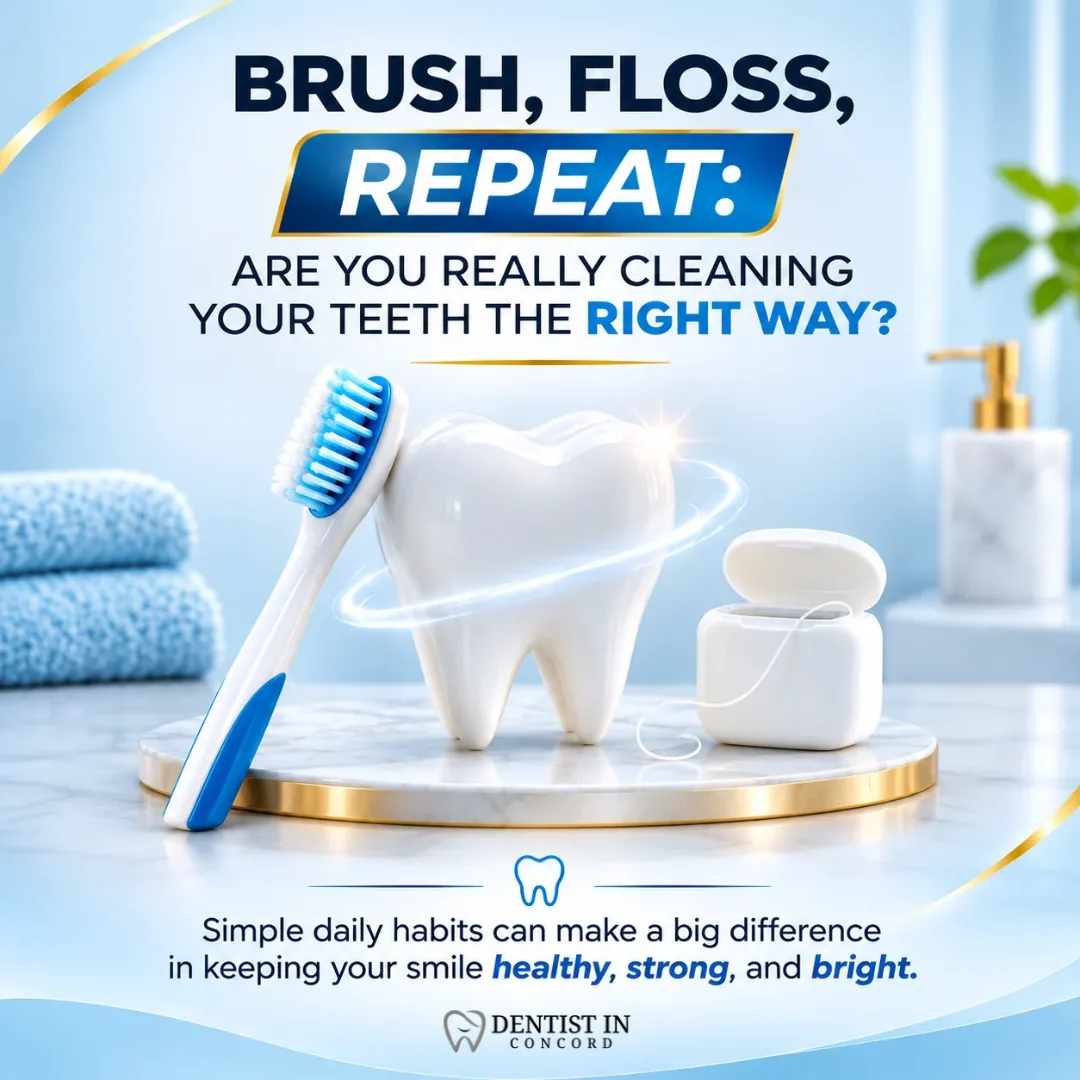
Many people think a quick scrub fixes everything. They brush twice a day but still get sore gums or cavities. They hunt online for clear Oral-hygiene-instructions.
A dentist can remove far more tartar and plaque than brushing at home. Here you will know the right brush moves, how to floss well, and which tools help. It also gives tips to make cleanings easier and less painful.
Choosing the right toothbrush and toothpaste makes a big difference. A soft-bristled brush works wonders for removing plaque without hurting gums.
A good brush and paste set starts strong.
| Item | Summary Points |
|---|---|
| Toothbrush Type | Soft bristles reduce gum damage. Electric brushes remove more plaque than manual ones in many studies. Replace brushes or heads every three months or after illness. Dentists perform professional cleanings that still remove more tartar and plaque than at-home brushing alone. |
| Brush Size and Grip | Small heads reach back teeth easier. Comfortable grips help steady strokes. Children need smaller heads and softer bristles. |
| Toothpaste Choice | Use fluoride toothpaste for cavity protection. ADA acceptance is a good quality marker. Sensitive formulas help people with worn enamel. |
| Brushing Frequency | Brush twice a day as a standard daily practice. Night brushing fights plaque build up during sleep. Morning brushing helps remove breakfast debris. |
| Role of Flossing | Flossing reaches hidden plaque between teeth that brushing misses. Daily flossing cuts down on bacteria that brushing cannot reach. ADA recommends flossing once daily. Timing does not matter, floss in the morning or at night. |
| Limits of Single Practices | Brushing alone is not enough for great oral health. Flossing alone cannot fully prevent cavities; it works best with brushing and fluoride use. People who clean between their teeth regularly tend to have fewer oral health issues. |
| Benefits at the Dentist | Regular flossers often get more comfortable dental cleanings. Professional visits remove tartar that at-home care cannot. |
After choosing the right toothbrush and toothpaste, people must focus on how they brush. Proper motion and timing fight plaque and protect gum health.
Flossing often gets a bad rap, but it plays an essential role in keeping teeth healthy. Many people skip this step, thinking brushing is enough to fight off plaque and cavities.
Good technique beats quick motions. People miss plaque between teeth.
Interdental tools help reach plaque that brushing misses.
| Tool | What It Does | How to Use | Key Facts |
|---|---|---|---|
| Traditional Floss | Slides between tight teeth. Removes hidden plaque. Cuts bacteria colonies. | Use once daily, per ADA. Curve around each tooth. Go below the gum line gently. | Flossing removes bacteria that brushing cannot reach. Flossing alone will not fully prevent cavities. It works best with twice daily brushing and fluoride. |
| Floss Picks | Handy for quick access. Good for travel. Easier grip for some users. | Slide gently between teeth. Move up and down along each side. Follow with brushing or fluoride rinse. | ADA recommends daily flossing. Timing does not matter, morning or night both work. Regular use leads to fewer oral health issues. |
| Interdental Brushes | Brushes larger gaps. Removes tartar buildup in spaces. Comes in multiple sizes. | Pick the right size. Insert without force. Move back and forth until clean. | People who clean between their teeth regularly tend to have fewer oral health problems. Professional cleanings still remove more tartar than home care alone. |
| Water Flossers | Pulses water between teeth. Flushes food debris and bacteria. Gentle on gums. | Aim at the gum line. Move along each space for a few seconds. Use daily if preferred. | Water flossers help reach areas brushing misses. They support a routine that includes brushing twice a day and fluoride. Regular flossers report more comfortable dental cleanings. |
| Soft Picks and Wooden Picks | Good for quick cleaning after meals. Flexible options suit braces and bridges. | Use gently. Remove debris between bites. Avoid forcing into tight contacts. | These tools help reduce food buildup. They complement flossing and brushing. Cleaners recommend adding them to daily care. |
| Combination Kits | Offer multiple sizes and tools. Fit different mouth shapes. Useful for travel and complex restorations. | Choose items by gap size. Replace brushes as needed. Combine with fluoride toothpaste. | Cleaning between teeth daily lowers oral disease risk. Professional cleanings still remove more plaque and tartar than home care alone. |
Taking care of teeth goes beyond just brushing and flossing. Incorporating mouth rinses and tongue cleaners can boost freshness and help fight off bacteria, giving smiles an extra shine.
Mouth rinses and tongue cleaners play a vital role in oral hygiene. Mouthwash helps reduce plaque and freshens breath. It can reach areas that brushing and flossing might miss. Using it regularly boosts gum health too.
Tongue cleaners help remove bacteria that cling to the tongue's surface. This buildup can cause bad breath and affect overall dental health. People who use these tools often enjoy more comfortable cleanings at the dentist, as they decrease hidden debris between teeth.
Daily practices like these contribute greatly to maintaining shiny smiles and preventing cavities.
Water flossers help people clean between their teeth. They shoot a steady stream of water to dislodge plaque and food particles. This method makes cleaning more efficient, especially for those with braces or dental work.
Interdental brushes also shine in this area. They fit snugly between teeth, effectively removing debris that regular floss might miss.
Using these tools boosts gum health and reduces the chance of cavities. People who use them regularly have fewer oral health problems. Each tool plays a valuable role in an effective oral hygiene routine, but they do not replace brushing and fluoride use altogether.
Dental experts often recommend combining all methods for the best results in overall oral care.
You should brush your teeth at least twice a day. Morning and night is ideal to keep plaque away and maintain fresh breath.
Absolutely! Flossing removes food particles between your teeth that brushing can miss. It helps prevent cavities and gum disease, so don’t skip it!
Hold your toothbrush at a 45-degree angle against your gums. Use gentle circular motions for about two minutes, covering all surfaces of each tooth.
Not quite! Mouthwash is great for freshening breath but cannot replace brushing or flossing. Think of it as the cherry on top; you still need the cake underneath!
Tell us a little about what you need — we'll be in touch shortly.
2460 Wonder Drive Northeast C, Kannapolis, NC 28083, United States
Hi! I'm Tooth fairy! Your AI Assistant Ask me anything