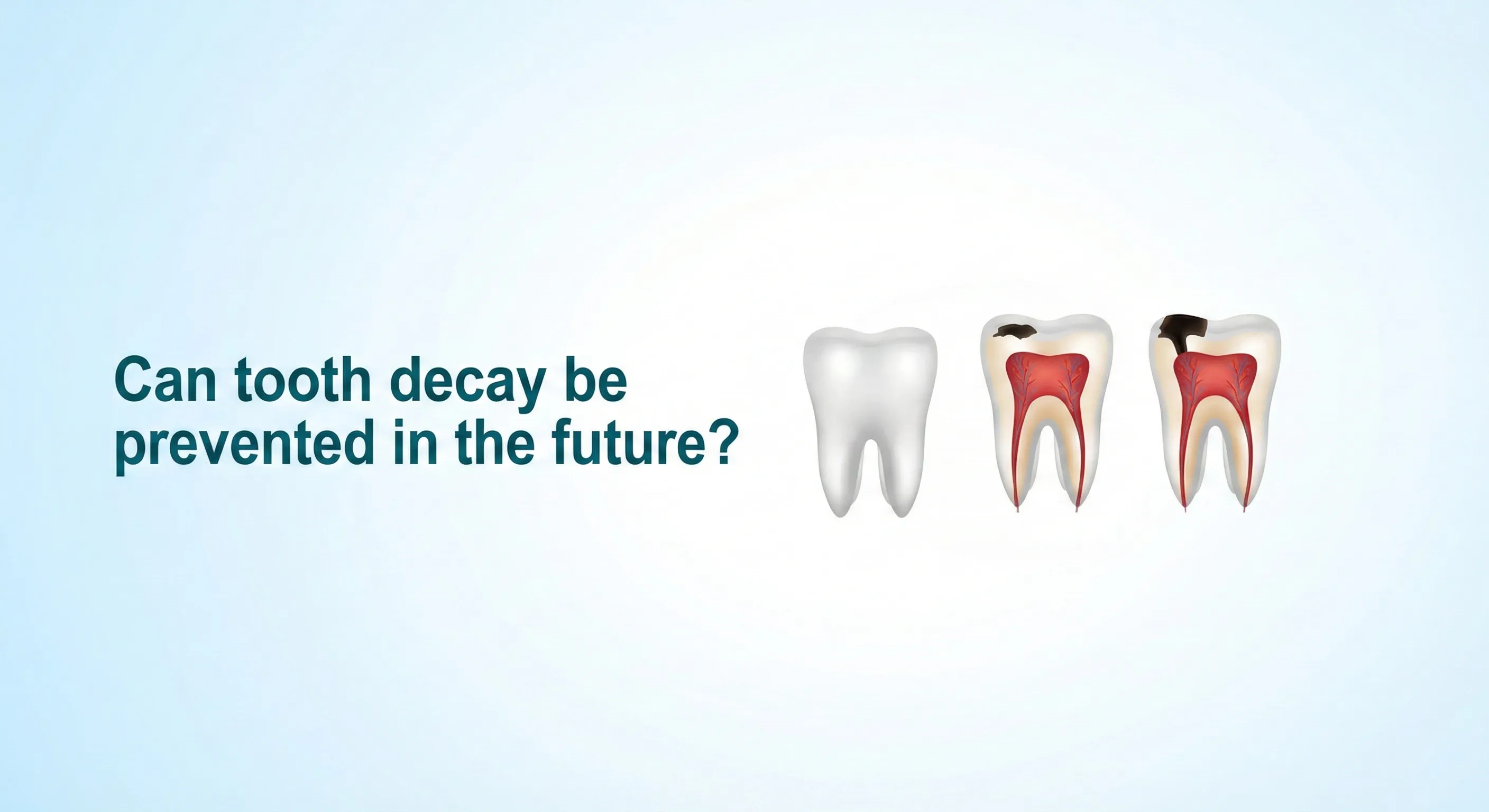
Tooth decay and cavity formation—commonly known as dental caries—affect almost everyone at some point in life. Many patients ask an important question at Dentist in Concord: Is there a way to stop tooth decay completely so we don’t need repeated dental fillings?
One promising area of research in modern dentistry is the caries vaccine—a concept designed to prevent tooth decay by targeting the bacteria responsible for cavities. While this vaccine is not yet available for clinical use, ongoing research continues to show encouraging results.
A caries vaccine is a proposed preventive vaccine aimed at protecting teeth from decay. Dental caries are primarily caused by the bacteria Streptococcus mutans, which plays a major role in cavity formation.
Research into caries vaccines has been ongoing for several decades. As early as 1972, animal testing began in England, with plans for future human trials. However, due to scientific challenges and limited economic incentives, the vaccine has not yet become commercially available.
As of recent years, research efforts are still ongoing to develop a safe and effective solution. The goal of a caries vaccine is to slow down or prevent the decay process by reducing the activity or attachment of cavity-causing bacteria.
Over the years, several scientific approaches have been explored:
Early attempts involved introducing weakened or modified microorganisms into the body to stimulate an immune response and antibody production against cavity-causing bacteria.
A therapeutic vaccine using monoclonal antibodies against Streptococcus mutans was developed through Planet Biotechnology. Although promising, Phase II clinical trials were discontinued in 2016.
The Chinese Academy of Sciences, supported by the International Association for Dental Research and the American Association for Dental Research, studied an inhaled vaccine using protein filaments as a delivery system.
Animal studies showed increased antibody response and fewer bacteria attaching to tooth surfaces, resulting in fewer cavities.
DNA-based vaccine approaches showed success in animal models by targeting protein antigens of Streptococcus mutans, which play a key role in bacterial adhesion and immune response.
Research at the University of Leeds explored a peptide that supports tooth regeneration rather than vaccination. When applied to a cavity and exposed to saliva, this peptide attracts calcium, promoting mineral deposition and regeneration of tooth structure.
The Swiss company Credentis licensed this peptide and launched Curodont Repair in 2013. Clinical studies have shown a positive impact, indicating another promising direction in managing early tooth decay.
While a caries vaccine is not yet available for routine dental care, these advancements reflect a strong future focus on preventive and regenerative dentistry.
Until such solutions become clinically accessible, maintaining good oral hygiene and regular dental checkups remain essential.
At Dentist in Concord, we stay updated with the latest dental research while providing proven preventive and restorative care.
Our focus is on early detection, cavity prevention, and minimally invasive treatments to protect your natural teeth for as long as possible.
If you’re concerned about tooth decay or want to learn how to prevent cavities effectively, book a consultation with Dentist in Concord today.
Your oral health today matters—while science works on tomorrow.
Until a caries vaccine exists, proven prevention wins: ask about fluoride treatments at your next visit — call (704) 707-3620. More on fluoride from the ADA at MouthHealthy.org.
Not one available to patients. A caries vaccine has been researched for decades as a way to prevent tooth decay by targeting the bacteria that cause it, and studies have shown promising results in animals. Scientific challenges and limited commercial incentive have kept it from reaching clinical use. For now, prevention still relies on oral hygiene, diet, and regular dental checkups.
Streptococcus mutans is the bacterium most associated with dental caries. It sticks to tooth surfaces and produces acid as it processes sugars, and that acid gradually dissolves enamel and creates cavities. Because attaching to the tooth is a key step in the process, much of the vaccine research has focused on blocking the proteins the bacteria use to adhere to enamel.
It is still experimental. Animal testing began as early as 1972, a monoclonal antibody approach reached Phase II trials before being discontinued in 2016, and inhaled and DNA-based vaccines have shown antibody responses in animal studies. None has completed the human trials needed for routine dental use, so a licensed caries vaccine remains a research goal rather than a treatment option.
Proven prevention still works well. Brush twice daily with fluoride toothpaste, clean between the teeth, and limit how often you eat or drink sugar rather than only how much. Regular checkups catch decay while it is still small and can often be managed with minimally invasive treatment. Remineralizing approaches such as fluoride help strengthen enamel that has started to weaken.
Tell us a little about what you need — we'll be in touch shortly.
2460 Wonder Drive Northeast C, Kannapolis, NC 28083, United States

Hi! I'm Tooth fairy! Your AI Assistant Ask me anything