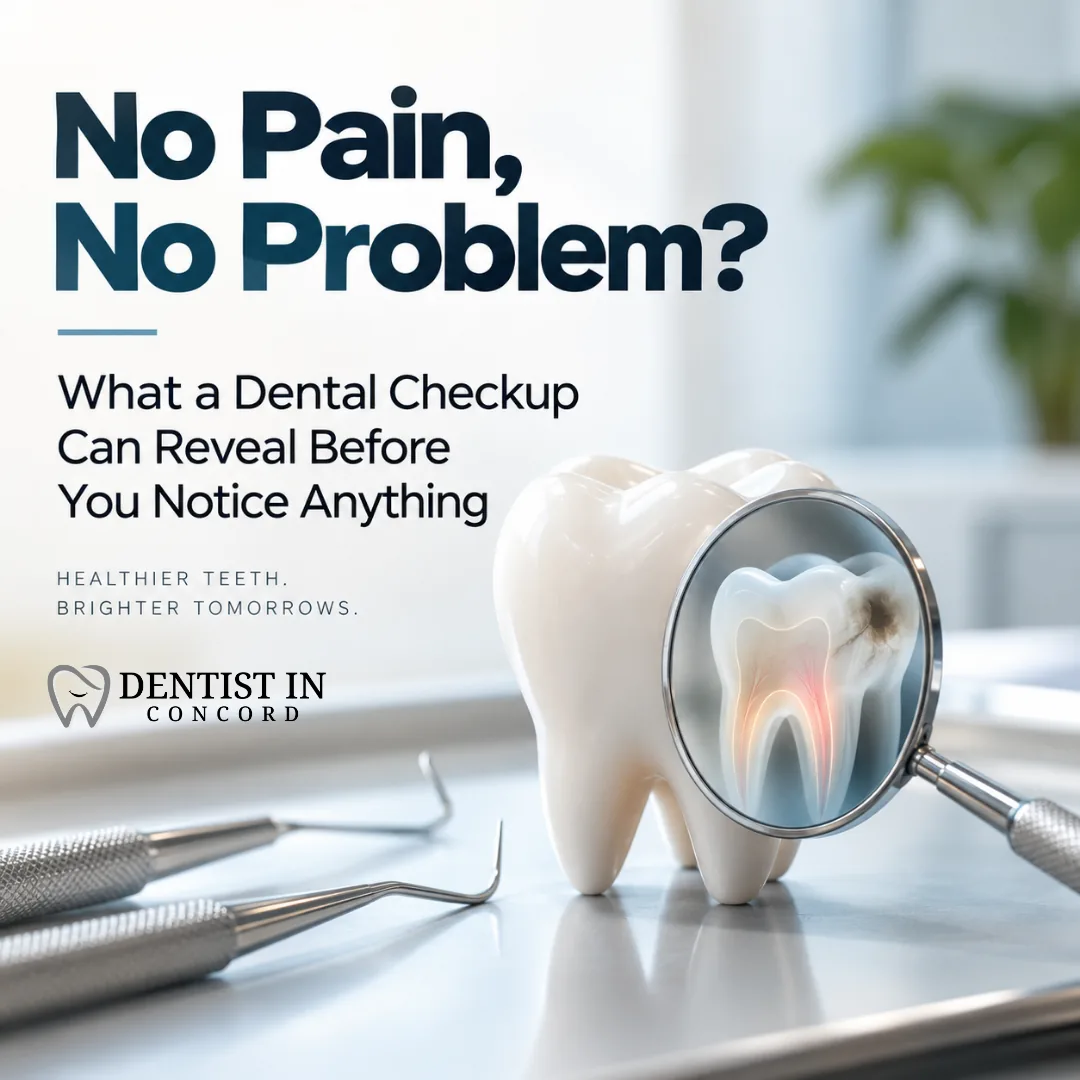
Many people skip the dental exam when their teeth feel fine. They think no pain means no problem. A routine checkup can still find hidden issues. It can spot cavities under the surface, early gum disease, cracks, sensitivity, and signs of oral cancer. This matters for oral health and dental hygiene.
One fact is clear, dentists often see problems before symptoms start. A checkup can show tooth decay, bone loss, and signs of other health issues. Here you will know about a dental examination, preventive care and proper hygiene.
Dental checkups can uncover issues that people often miss. Early detection of cavities, gum disease, and other problems can prevent serious complications later on.
Cavities can develop beneath the surface of the teeth without causing any pain. This silent process starts when plaque builds up on teeth. Bacteria in plaque consume sugars and produce acid, which erodes enamel. A dental exam reveals these hidden cavities before they progress.
Regular checkups help catch tooth decay early. Many individuals do not notice signs until a cavity becomes severe. Dental professionals often use X-rays to spot issues below the surface. Early detection leads to easier treatment options and better oral health outcomes. Keeping up with dental hygiene practices is essential for preventing cavities from forming in the first place.
Gum disease often starts without clear symptoms. Many people may not realize they have it until it advances. Early signs include redness and swelling of the gums. Patients might notice bleeding when brushing or flossing their teeth. A dental exam can catch gum disease before these symptoms escalate.
Early detection plays a crucial role in treatment success. Dentists can recommend improved oral hygiene practices and professional cleaning to address early gum issues effectively.
Keeping up with regular checkups helps prevent gum disease from worsening into a more serious condition, which could lead to tooth loss or systemic health problems like heart disease or diabetes. Understanding these risks emphasizes the importance of routine dental examinations for optimal oral health maintenance.
Dental checkups can spot damage like cracks or worn teeth before they become serious issues. These problems often arise from everyday wear and tear, grinding, or even cavity formation. A dentist examines the surface of each tooth for signs of weakness or deterioration.
Early detection allows for prompt treatment and better outcomes. Routine dental exams make it easier to address these concerns before they lead to pain or larger health problems. Maintaining oral health requires regular visits to identify such issues quickly.
Oral cancer can develop without obvious symptoms. A dental checkup plays a vital role in identifying early signs of oral cancer or precancerous changes. During an exam, dentists look for unusual spots or growths inside the mouth. They also examine soft tissues for any abnormalities that could indicate trouble.
Early detection is crucial. According to studies, survival rates are significantly higher when patients catch oral cancer early. Regular visits to the dentist help ensure timely diagnosis and treatment before serious issues arise.
Staying proactive about dental hygiene and getting routine checkups can make all the difference in maintaining oral health and catching problems like oral cancer soon enough for effective intervention.
Bone loss can signal more than just oral health issues. A dental checkup reveals early signs of this condition through X-rays and clinical exams. Dentists look for changes in bone density around teeth, which might indicate gum disease or tooth decay. Moreover, systemic health problems like osteoporosis often show up in the mouth first, alerting professionals to potential concerns.
Patients may find unexpected links between their oral health and overall wellness during these visits. Emerging research shows that conditions such as heart disease and diabetes can manifest with symptoms detectable by a dentist. Regular dental examinations play a crucial role in identifying these issues early on, enhancing preventive care strategies for patients' long-term health.
Routine dental exams play a crucial role in oral health. These checkups help catch issues before they escalate. Dentists can spot cavities forming beneath the surface, preventing painful tooth decay later on. Early detection of gum disease is also vital; it allows for timely treatment that protects overall dental hygiene.
Regular visits assist in identifying damage to teeth, such as cracks or wear. Dentists look for signs of oral cancer or precancerous changes that patients might miss. Bone loss and other indicators of systemic health problems often come to light during these exams. The preventive power of routine dental exams keeps smiles healthy and bright while easing future worries about oral health challenges.
A checkup can show cavities, tooth decay, and gum disease. It can alert your dentist to oral cancer and sensitivity early.
Most people get a checkup every six months. Your dentist may change that based on your dental hygiene and preventive care needs.
Dentists use a visual exam and feel for lumps. They ask about symptoms, use screens, and order tests for a firm diagnosis.
Keep good dental hygiene by brushing and flossing each day. Eat less sugar, avoid tobacco, and follow preventive care tips from your dentist to lower risk of cavities, tooth decay, and gum disease.
Tell us a little about what you need — we'll be in touch shortly.
2460 Wonder Drive Northeast C, Kannapolis, NC 28083, United States
Hi! I'm Tooth fairy! Your AI Assistant Ask me anything