Tooth pain isn’t something you should “wait out.” It’s one of the most common reasons patients seek an emergency dentist near me.
You should seek immediate care if tooth pain is:
These are signs of infection, nerve damage, or advanced decay.
At Dentist in Concord, emergency dental care focuses on fast pain relief first — followed by long-term treatment planning.
If your toothache matches any of these signs, see our Concord emergency dentist today — deep decay often means root canal treatment can still save the tooth. Call (704) 707-3620.
Seek urgent care when pain is severe or throbbing, wakes you at night, radiates to the jaw, ear, or head, or comes with swelling or fever. These patterns suggest infection, nerve involvement, or advanced decay rather than passing sensitivity. Mild discomfort with cold drinks that fades within seconds is less urgent, but pain that keeps returning still deserves an examination.
Lying down increases blood flow to the head, which raises pressure inside an inflamed tooth and makes throbbing more noticeable. There are also fewer distractions at night, so pain that felt manageable during the day seems sharper. Pain that consistently wakes you from sleep is a common sign that the nerve inside the tooth is inflamed or infected and needs assessment.
The usual causes are deep decay that has reached the nerve, an infected or abscessed tooth, a cracked or fractured tooth, or an exposed nerve after enamel or a filling breaks down. Gum infection can produce similar pain. Each of these needs a different treatment, so an examination and often an X-ray are required to find the source rather than guessing.
Pain can fade, but that does not mean the problem resolved. When the nerve inside a tooth dies, the pain often stops even though infection continues to spread into the surrounding bone. Painkillers mask symptoms without treating the cause. Any toothache lasting more than a day or two, or one that disappears after being severe, should be examined.
Tell us a little about what you need — we'll be in touch shortly.
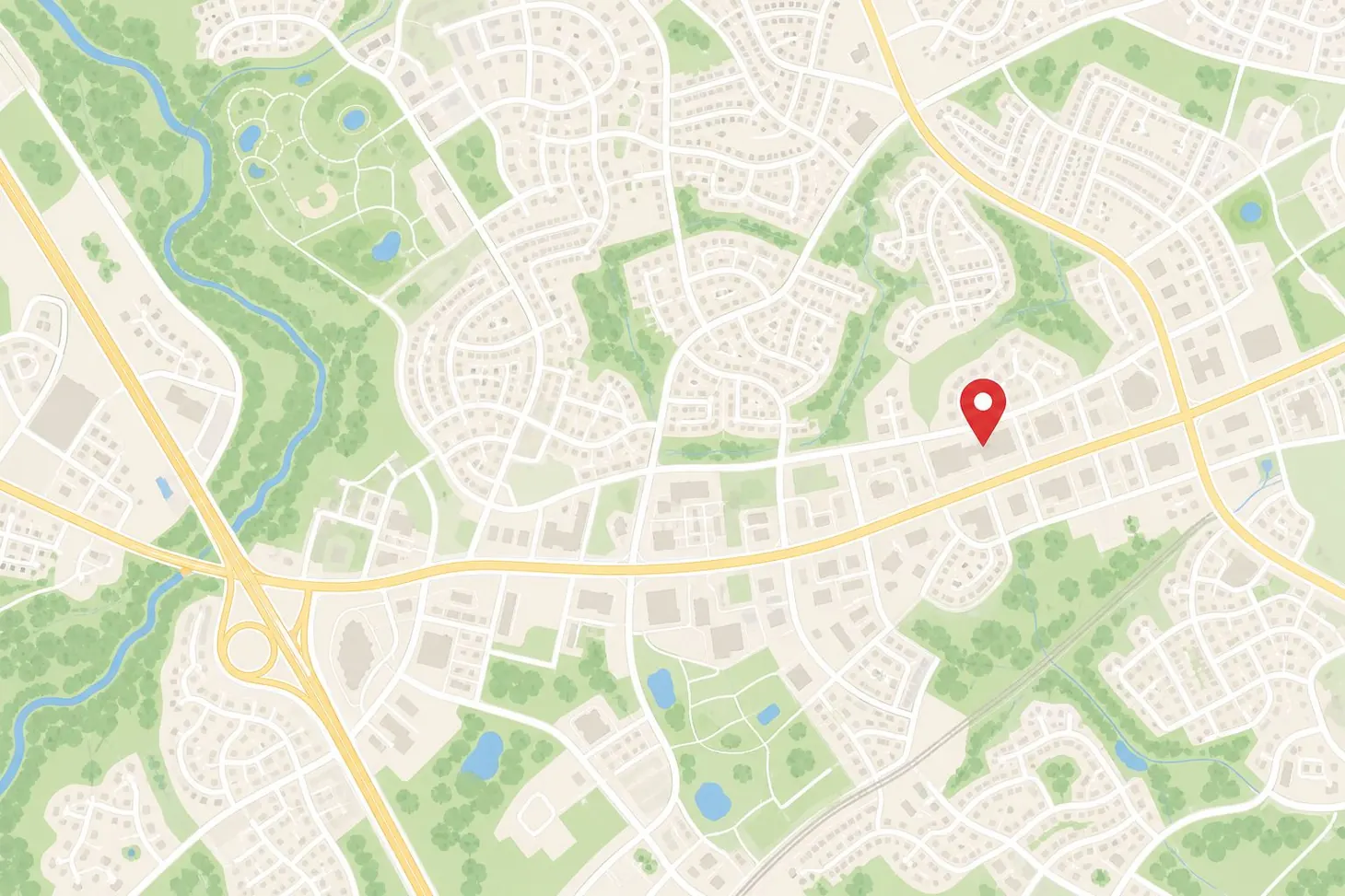
2460 Wonder Drive Northeast C, Kannapolis, NC 28083, United States
Hi! I'm Tooth fairy! Your AI Assistant Ask me anything