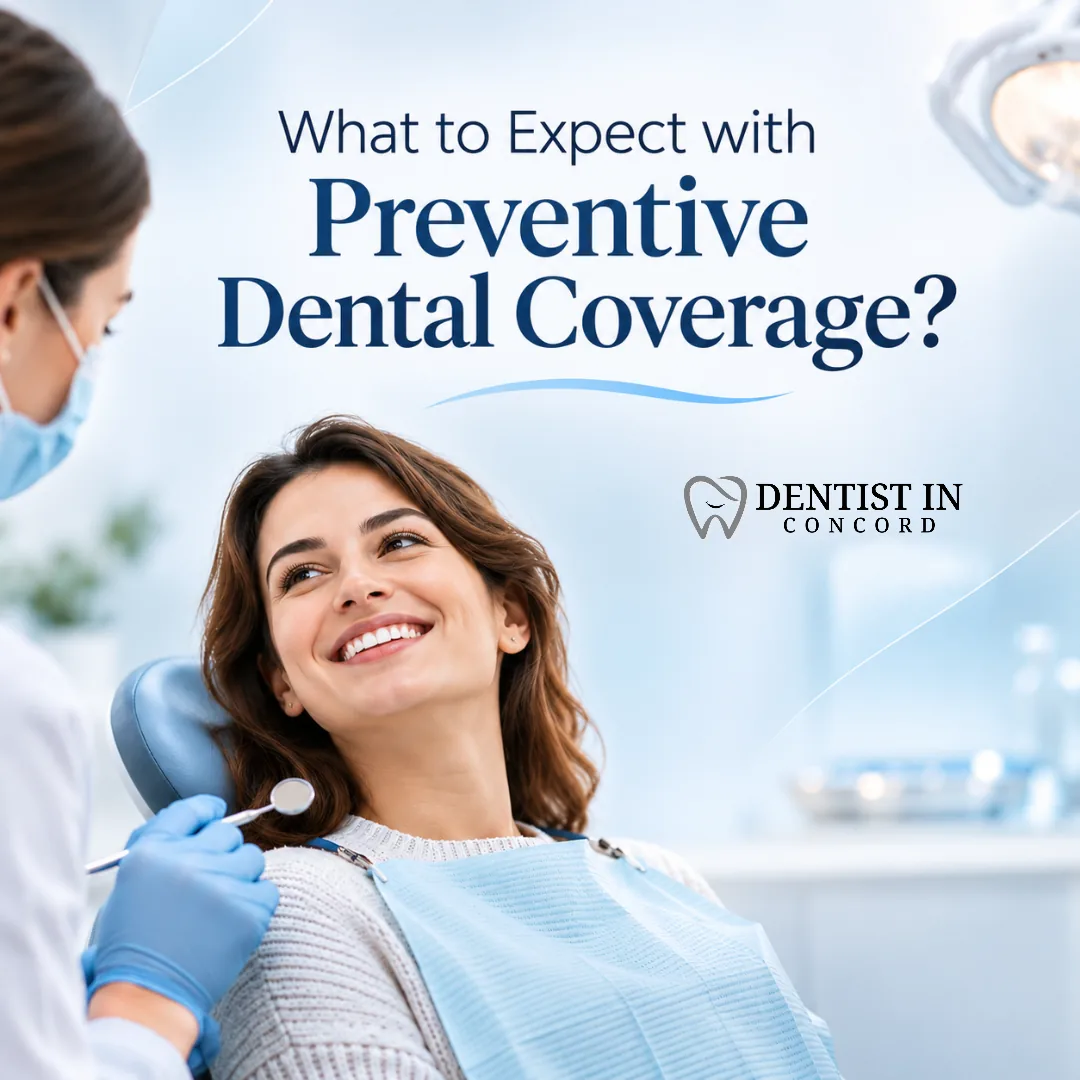
Many people sign up for dental plans and then worry about surprise bills. They skip visits because they do not know what will be paid. Preventive dental coverage often causes this confusion.
One key fact helps calm that worry, preventive dental coverage usually pays for regular exams, cleanings, and X-rays when needed.
Preventive dental coverage offers valuable benefits for maintaining oral health. It typically includes a range of services that help people keep their teeth and gums in good shape.
Preventive dental coverage pays for routine care that stops problems early. It covers exams, cleanings, X-rays, fluoride, and sealants.
People should know how often preventive visits are covered.
| Service | Typical Coverage Frequency | Short Notes and First‑Hand Experience |
|---|---|---|
| Dental exams | Every 6 months, commonly | Standard exams check for cavities, gum disease, oral cancer. A patient said routine checks caught a small cavity early. |
| Professional cleanings | Every 6 months for most adults | Cleanings remove plaque and tartar that brushing misses. A hygienist reported cleaner gums after two visits. |
| X-rays | As needed; bitewings often every 6–24 months | X-rays reveal hidden cavities and bone changes. A dentist used images to find an early-stage cavity. |
| Fluoride treatments | Often once or twice per year for adults; more for children | Fluoride helps strengthen enamel. A parent noted fewer cavities after yearly fluoride visits for a child. |
| Dental sealants | Applied once, then checked at regular exams | Sealants protect deep grooves on molars. An assistant observed long-term protection after one application. |
| Oral hygiene counseling | At each preventive visit | Providers monitor enamel wear and gum health. A patient learned better brushing techniques during a visit. |
| Additional screenings | At routine exams, frequency matches exam visits | Screenings target oral cancer and gum disease. An exam led to early treatment that saved a tooth. |
| When coverage can vary | Plan rules, age, and annual limits affect frequency | Some plans set annual maximums or deductibles. A family compared plans and picked one with two cleanings included. |
Routine checkups play a crucial role in preventive dental care. These appointments help catch problems early, saving patients time and money on future treatments.
Preventive visits include exams and cleanings. Dentists perform comprehensive examinations and screenings for cavities, gum disease, and oral cancer. Cleanings remove plaque and tartar buildup that brushing at home cannot, and many dental insurance plans cover X-rays when needed.
Patients often report a cleaning that removed stubborn tartar and eased gum irritation. Providers check enamel wear and evaluate gum health, and they may apply fluoride or dental sealants as part of preventive services. Regular visits, often twice a year, help detect hidden cavities before they become larger problems.
Fluoride treatments help strengthen teeth and fight cavities. Dentists apply fluoride directly onto the enamel during visits. This service is part of preventive dentistry coverage, making it easy for patients to access. Regular fluoride use can greatly reduce decay risk.
Many children benefit from fluoride treatments as their teeth develop. Adults also enjoy protection against cavities with this treatment. Professional applications offer more strength than toothpaste alone, providing an extra layer of defense for oral health. Fluoride helps maintain a bright smile and keeps dental issues at bay.
Fluoride treatments play a vital role in protecting teeth, but dental sealants add an extra layer of defense. These thin coatings offer protection for the chewing surfaces of back teeth, where cavities often form. Dentists apply sealants painlessly, creating a barrier against decay-causing bacteria and food particles.
Dental sealants are especially beneficial for children and teens. Their molars develop grooves that can trap food and plaque. Sealants fill these grooves, making it easier to clean their teeth.
Studies show that sealed teeth have significantly lower rates of decay compared to unsealed ones. This preventive measure supports long-term oral health and reduces the need for more invasive dental procedures down the line.
Dental sealants help protect teeth from decay, and X-rays play an important role in preventive dental care. Dentists often use X-rays to spot issues that aren't visible during a regular exam. These images can reveal hidden cavities, gum disease, and even oral cancer at early stages.
Preventive coverage usually includes X-ray costs when deemed necessary. They allow dentists to assess enamel wear and monitor changes over time. Detecting problems early can save future expenses on more extensive treatments.
Age and family member inclusion affects who can benefit from preventive dental coverage. Policies typically have annual maximums and deductibles that shape the overall usage. Understanding these details helps individuals make informed choices about their oral health coverage. Curious minds may want to explore more about maximizing benefits effectively!
People should check who in the family gets covered and at what ages.
| Family Member | Typical Preventive Services Covered | Key Notes and Facts |
|---|---|---|
| Children | - Regular dental exams and professional cleanings. - Fluoride treatments and dental sealants. - X-rays when needed. | - Sealants often target molars to prevent cavities. - Fluoride helps strengthen enamel in young teeth. - Early exams catch hidden or early-stage cavities. |
| Teens | - Routine exams and cleanings. - X-rays for growth and tooth position. - Fluoride if risk of decay is present. | - Exams assess enamel wear and gum health. - Screenings look for cavities and gum disease. - Professional cleanings remove plaque and tartar buildup. |
| Adults | - Regular exams and professional cleanings. - X-rays when indicated. - Oral hygiene guidance and monitoring. | - Dentists screen for oral cancer during exams. - Cleanings remove buildup that brushing cannot. - Early detection preserves natural teeth. |
| Seniors | - Frequent exams and cleanings as recommended. - X-rays to monitor root and bone health. - Gum health evaluations. | - Exams spot gum disease early to avoid complex care. - Monitoring aids long-term oral health outcomes. - Preventive care can reduce need for extensive procedures. |
| Whole Family Plans | - Coverage often includes multiple members on one policy. - Preventive services typically covered at set intervals. | - Routine visits enable tracking of changes over time. - Oral hygiene guidance supports home care routines. - Early detection across family saves future costs. |
Compare who is listed on the plan next, then review annual maximums and deductibles.
The policy sets caps and costs that affect visits and care.
| Term | Summary Points for Preventive Dental Care |
|---|---|
| Annual maximums |
|
| Deductibles |
|
| How limits affect care |
|
| Practical tips |
|
Preventive dental coverage offers many perks, like catching issues before they escalate. Regular checkups can save money on future treatments and promote better oral health. This type of insurance makes a big difference in overall well-being. Users should dive deeper to discover how these benefits can enhance their smiles!
Regular dental exams help catch problems early. Dentists look for hidden cavities during routine checkups. They can spot signs of gum disease and even oral cancer before they escalate. This proactive approach allows patients to address potential issues swiftly, often avoiding costly treatments later on.
Professional cleanings remove plaque and tartar buildup that regular brushing can't handle. This maintenance is vital for long-term oral health. Fluoride treatments strengthen enamel, while sealants provide extra protection against decay. By prioritizing preventive care, individuals significantly increase their chances of keeping their natural teeth throughout life.
Preventive care directly links to future cost savings. Dental exams catch issues like cavities early. This keeps treatment needs small and less costly. For example, a tiny filling costs much less than a root canal or crown. Regular professional cleanings also help prevent plaque buildup that leads to gum disease.
Patients who invest in preventive dental services often save money in the long run. The expenses of preventive treatments typically fall far below those for extensive procedures down the road.
The focus on maintaining oral health today can lead to fewer visits later, keeping financial stress at bay while promoting better overall well-being.
Regular preventive dental visits lead to better long-term oral health. Routine checkups help identify hidden or early-stage cavities before they turn into serious problems. Dentists perform thorough examinations, looking for signs of gum disease and even oral cancer. This proactive approach allows patients to address issues early on.
Professional cleanings remove plaque and tartar buildup that brushing at home might miss. Dental sealants and fluoride treatments further protect teeth from decay, preserving natural ones for years. Consistent care can prevent the need for extensive dental procedures later on, making a significant difference in overall oral wellness.
To maximize preventive dental benefits, individuals should schedule regular visits with their dentist. Good oral hygiene at home also plays a crucial role in keeping teeth and gums healthy.
People should schedule regular dental visits at least twice a year. These checkups include professional cleanings and thorough examinations. Dentists monitor oral health during these appointments, looking for signs of tooth decay, gum disease, or other potential issues. They also perform X-rays when necessary to spot hidden problems.
During routine visits, dentists conduct comprehensive screenings to identify conditions like cavities early on. Professional cleanings eliminate plaque and tartar buildup that regular brushing might miss. This preventive care helps maintain natural teeth and reduces the need for more extensive dental treatments in the future.
Good oral hygiene at home plays a vital role in dental health. It complements regular visits to the dentist and helps prevent issues.
Preventive dental coverage helps pay for routine check-ups and cleanings. It focuses on keeping your teeth healthy and catching problems early.
Typically, this type of coverage includes regular exams, cleanings, X-rays, and sometimes fluoride treatments. These services help keep your mouth in good shape.
Most plans allow you to visit the dentist twice a year for check-ups and cleanings. Some may even cover additional visits if needed.
Many insurance plans cover preventive care at little or no cost to you. However, it's wise to check your specific plan details so there are no surprises when you visit the dentist.
Tell us a little about what you need — we'll be in touch shortly.
2460 Wonder Drive Northeast C, Kannapolis, NC 28083, United States
Hi! I'm Tooth fairy! Your AI Assistant Ask me anything