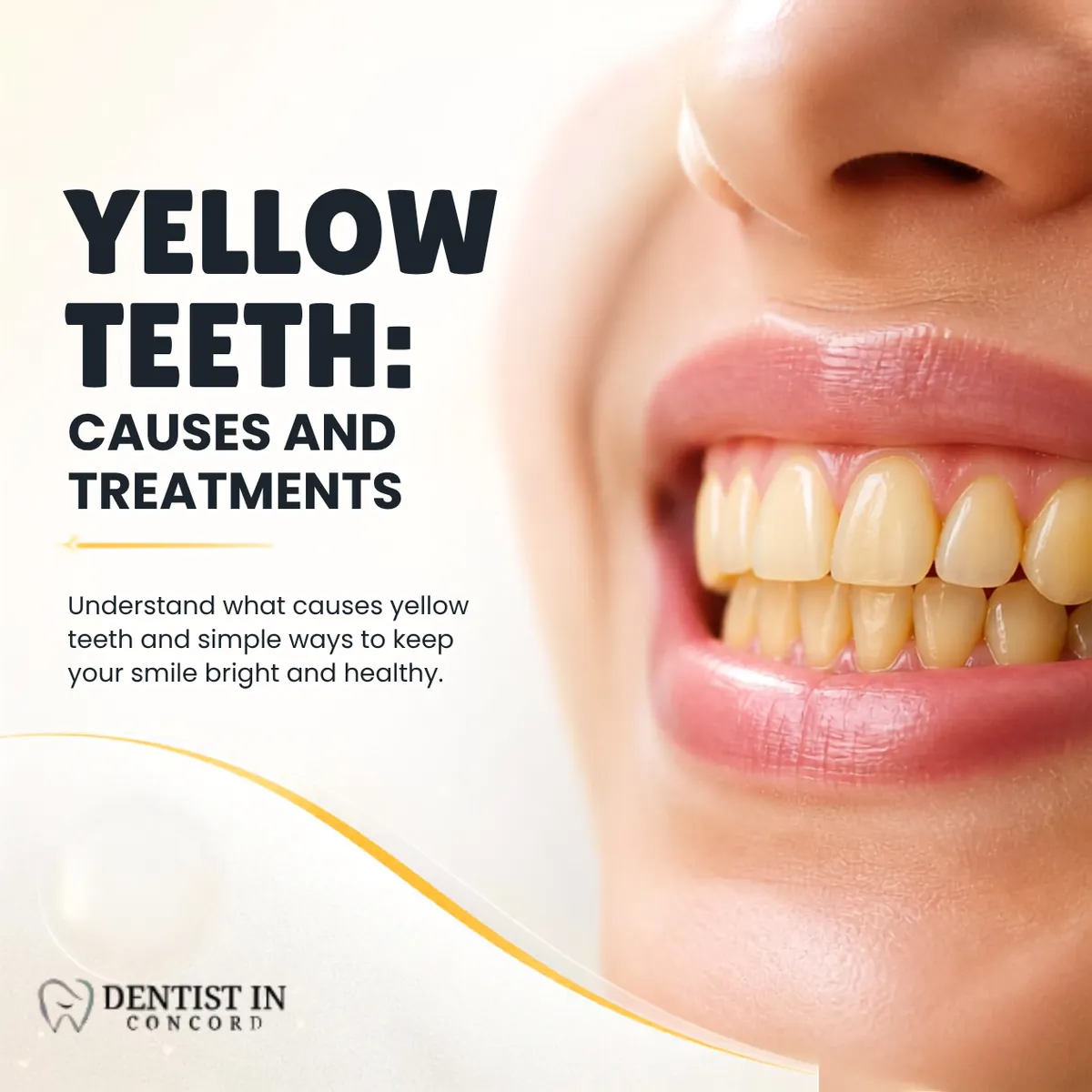
Many people worry about yellow teeth when they smile. They notice stains and discoloration from coffee, tea, or smoking. The issue can hurt their confidence and make them want quick fixes.
One common fact is that enamel wears with age, so the yellow dentin shows through. This post will explain causes like diet, tobacco, medication, genetics, and poor oral hygiene. It will also show simple treatments, from at-home whitening to professional dental care, and tips for plaque buildup, enamel erosion, gum health, and cavities prevention.
Genetics plays a significant role in tooth color. Many people inherit traits that lead to yellowing over time. Aging contributes to enamel wear, exposing the darker layers underneath. Diet and hygiene habits also greatly affect the brightness of teeth.
Tooth color often varies due to genetics. Some people naturally have whiter teeth, while others may have a yellowish tint. This variation occurs because of differences in enamel thickness and dentin coloration. Enamel acts as a protective layer for teeth, but its natural hue can differ from person to person.
Aging also plays a role in tooth discoloration. As individuals grow older, their enamel wears down, exposing more of the yellow dentin beneath it. Factors like diet and lifestyle choices further impact tooth color, and many foods and beverages that stain teeth contribute to this issue as well. Understanding these factors can help prevent further discoloration and improve overall oral hygiene.
As people age, their teeth naturally change color. Yellow stains often appear due to the wear and tear of enamel. Enamel protects teeth but thins over time. This thinning exposes the yellow dentin underneath, making teeth look more discolored.
Diet plays a crucial role in this process as well. Dark-colored foods and beverages can stain the remaining enamel. Regular consumption of coffee, tea, sodas, and wine contributes significantly to yellowing. Maintaining good hygiene is essential to prevent further discoloration as enamel continues to wear away with age.
Diet, smoking, and poor oral hygiene play significant roles in causing yellow teeth. Dark-colored foods and beverages frequently stain teeth — coffee, tea, red wine, and sodas are major contributors to discoloration.
Smoking also leads to yellowing; nicotine and tar create stubborn stains on enamel. Inadequate dental care worsens the situation. Insufficient brushing, flossing, and rinsing allow plaque to build up. This buildup not only causes bad breath but also makes teeth appear yellow over time.
Certain medications and health conditions can cause yellow teeth. Some antibiotics, like tetracycline, may result in discoloration if taken at a young age. Other medicines can also lead to staining over time. Conditions such as diabetes may contribute to poor oral hygiene, allowing plaque to build up until it leads to yellowing.
The combination of genetics, aging, diet, and lifestyle contributes significantly to tooth color changes. Understanding these aspects helps with prevention strategies against yellow stains on teeth.
Effective treatments can help brighten yellow teeth. People can try at-home whitening kits or visit a dentist for professional options. Daily habits like brushing and flossing play a crucial role in maintaining white teeth, and eating crunchy fruits and vegetables also promotes good hygiene.
At-home whitening options offer a convenient way to combat yellow teeth. Many products can help reduce discoloration caused by foods and beverages like coffee, tea, and red wine. Whitening strips are popular; they contain peroxide that penetrates stains to lighten teeth. Another choice is whitening toothpaste — these pastes have special ingredients designed to remove surface stains while promoting good hygiene.
Some people use baking soda mixed with water as an affordable alternative for whitening. This mixture gently scrubs away plaque that contributes to the yellow appearance of teeth. Regular use of these at-home methods helps maintain bright smiles over time. Keeping up with brushing and flossing also prevents plaque build-up, which causes further staining and discoloration on enamel as it thins with age.
Professional dental treatments effectively combat yellow teeth and restore their brightness. Dentists offer various options, including in-office whitening procedures. These treatments use stronger bleaching agents than at-home kits, providing quicker results.
Patients can also benefit from custom-made whitening trays for home use. These trays ensure the right fit and optimal application of the whitening gel. Regular visits to the dentist help maintain good oral hygiene and prevent issues that cause discoloration, like plaque buildup. Professional care plays a crucial role in achieving a bright smile while addressing underlying problems that lead to stains on teeth.
Daily habits play a vital role in maintaining a brighter smile. Brushing teeth at least twice a day helps remove plaque and prevent yellow stains. Flossing daily removes food particles that can lead to discoloration. Regular rinsing with mouthwash also aids in reducing bacteria buildup.
Diet choices significantly affect tooth color. Limiting dark-colored foods and beverages, like coffee, tea, red wine, and sodas reduces the risk of yellowing. Avoiding smoking and excessive alcohol consumption further protects against stained teeth. Good dental hygiene practices combined with healthy lifestyle choices keep enamel strong and brighten smiles over time.
Yellow teeth come from many causes. Surface discoloration and stains are common. Thin or worn enamel can make teeth look yellow. Poor hygiene, genetics, and aging also change color. Lifestyle factors like smoking and certain foods and beverages add stains.
Stains sit on the tooth surface. Discoloration can occur inside the tooth. Enamel wear makes internal color show more. Stains often respond to cleaning. Internal discoloration may need other treatment.
Teeth whitening can lift many surface stains. Whitening works best when enamel is healthy. It may not fix deep discoloration or enamel loss. Talk with your dentist before whitening.
Good hygiene helps prevent stains and discoloration. Brush and floss daily and get routine cleanings. Use preventive dentistry to catch problems early. Cut back on staining foods and beverages and avoid smoking.
See a dentist if stains do not improve. Also visit for enamel wear, pain, or sudden color change. A dentist can offer teeth whitening, cleaning, and preventive dentistry plans. They can check for genetics or aging issues that affect color.
Ready for a visibly brighter smile? Professional teeth whitening in Concord lifts years of stains safely in one course, and routine checkups and cleanings keep them from coming back. Call (704) 707-3620 to book your consultation. To learn more about what causes staining, see our guide to foods that stain your teeth.
Yellow teeth usually come from a mix of surface stains and natural changes inside the tooth. Coffee, tea, red wine, and tobacco leave pigments on enamel, while age gradually thins that enamel so the darker yellow dentin underneath shows through. Genetics sets your baseline tooth color, and poor brushing allows plaque to build up and dull the surface further. Some medications taken in childhood can also darken teeth from within.
At-home whitening can lift many surface stains. Whitening strips use peroxide to penetrate and lighten stained enamel, and whitening toothpastes contain mild abrasives and polishing agents that remove newer surface discoloration. Results build gradually and work best on healthy enamel. Home products do less for deep internal discoloration or worn enamel, so ask your dentist first if your teeth are sensitive or your staining has not changed with regular brushing.
Professional whitening uses stronger bleaching agents than over-the-counter kits, so it lightens teeth faster and more evenly. A dentist can also make custom trays that hold the gel against your teeth in the right position, which improves results and limits gel contact with your gums. Just as important, a dental visit first rules out decay or gum problems that could make whitening uncomfortable or hide the real cause of discoloration.
Consistency matters more than any single product. Brush twice a day, floss daily, and rinse with water after coffee, tea, wine, or dark sodas so pigments have less time to settle on enamel. Keep up with professional cleanings, which remove the plaque and surface staining that brushing misses. Avoiding smoking protects enamel from the stubborn stains that nicotine and tar leave behind.
See a dentist if stains do not improve with good home care, if only one tooth changes color, or if discoloration comes with pain, sensitivity, or visible enamel wear. A single dark tooth can signal nerve damage rather than staining, and sensitivity may point to thinning enamel. An examination identifies the real cause so the treatment matches the problem instead of masking it.
Tell us a little about what you need — we'll be in touch shortly.
2460 Wonder Drive Northeast C, Kannapolis, NC 28083, United States
Hi! I'm Tooth fairy! Your AI Assistant Ask me anything